
Introduction
If you’ve ever driven past a new housing development and then a commercial building site, you’ve likely noticed how different they look. From the crews and equipment to the structure and materials, residential and commercial construction are two entirely different worlds.
Understanding these differences is important when planning a project, especially if you’re a business owner or property developer. At Sargent Contracting, we specialize in commercial construction across Northwest Arkansas, and we often help clients understand what sets commercial projects apart from residential ones.
Let’s take a closer look at the key differences between the two types of construction—and why hiring the right contractor matters for your project’s success.
-
Purpose and Function
The biggest difference between commercial and residential construction lies in the purpose of the building.
- Residential Construction: Focuses on homes, apartments, condos, and other spaces designed for people to live in. The primary goal is comfort, functionality, and design for daily life.
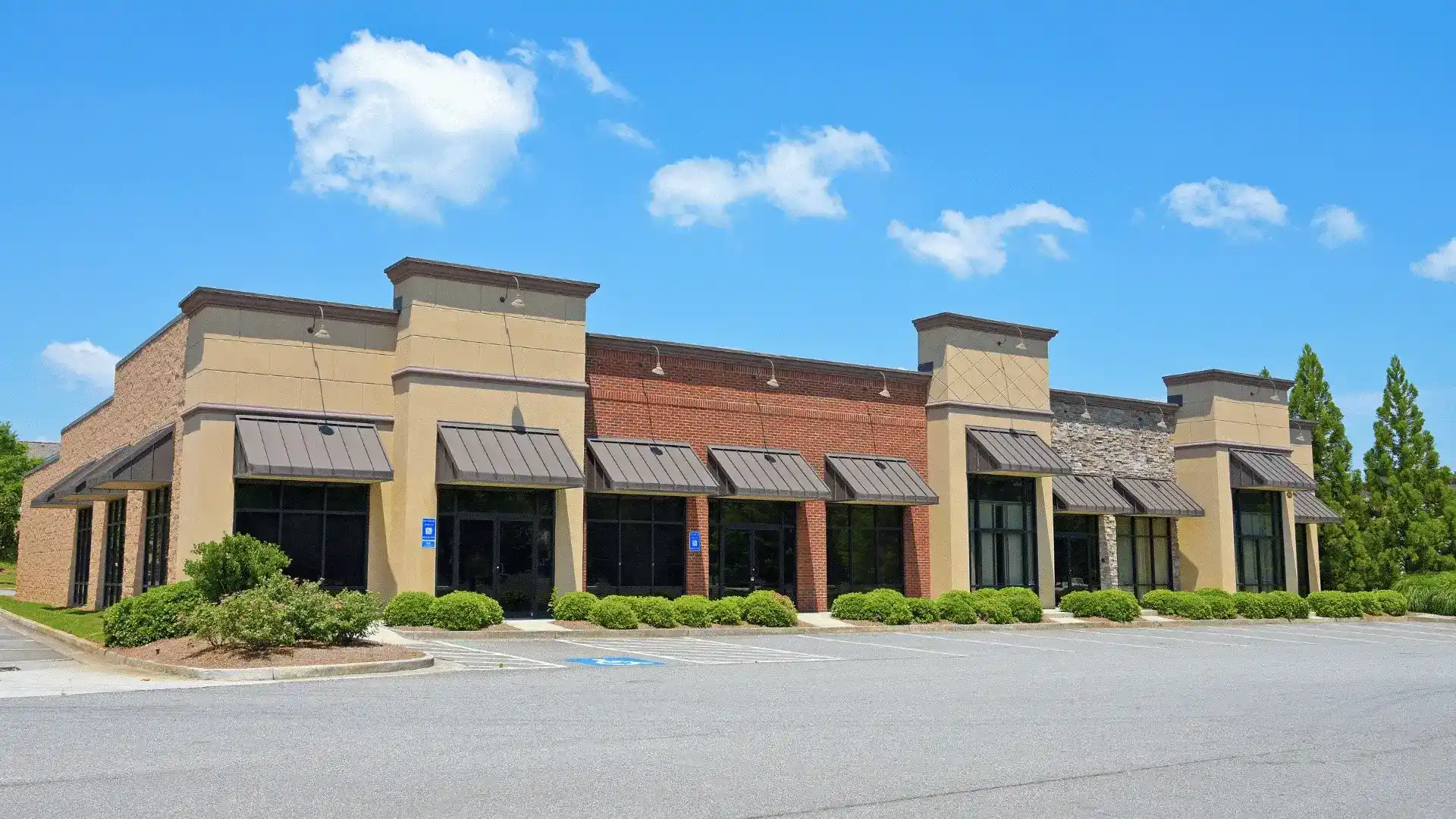
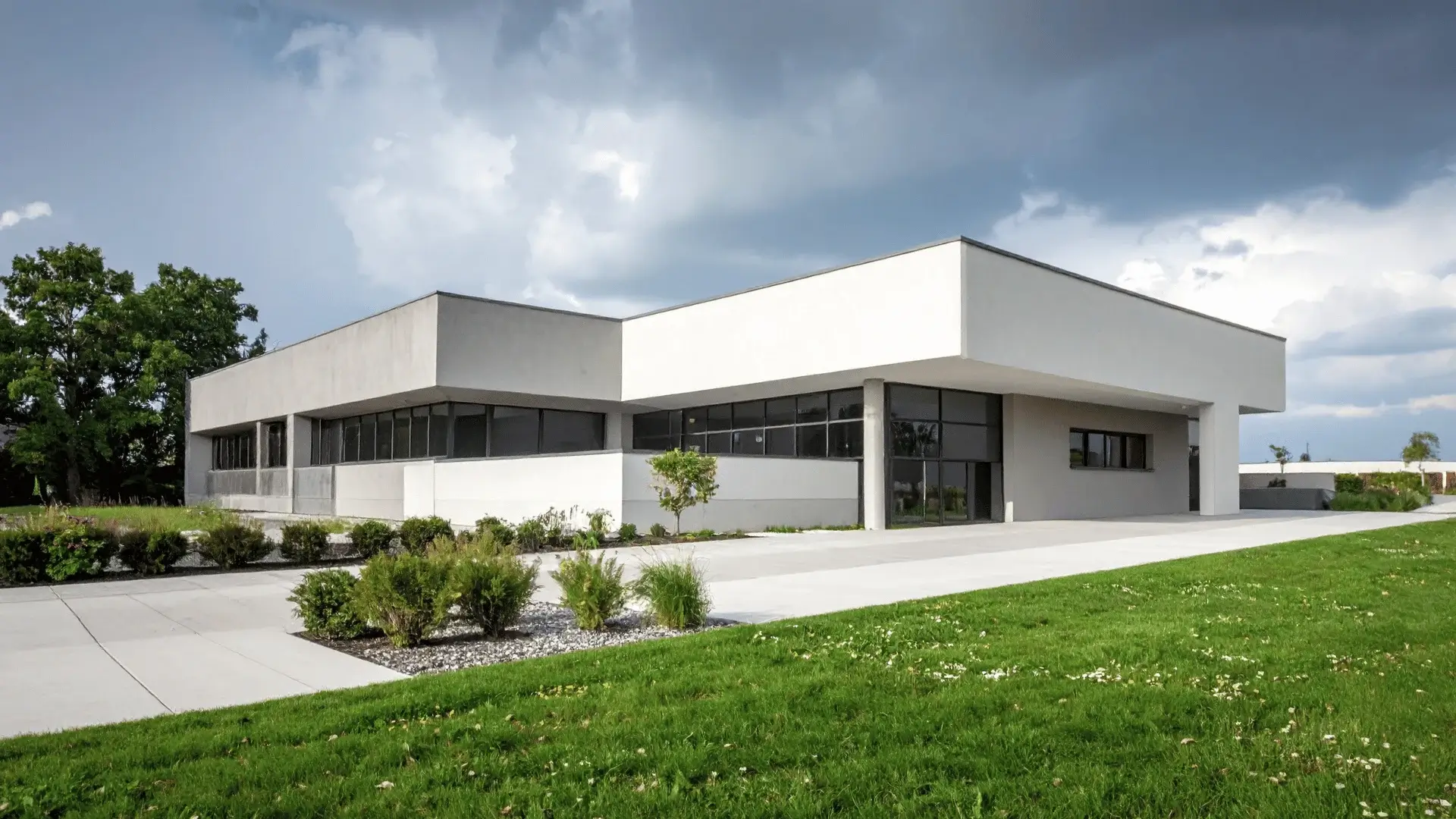
- Commercial Construction: Focuses on buildings for business, industry, or public use—such as offices, restaurants, hospitals, warehouses, or schools. These projects prioritize efficiency, safety, and functionality for business operations.
In short, residential construction builds where people live. Commercial construction builds where people work.
At Sargent Contracting, our focus is on commercial construction—designing and building functional, durable spaces that help businesses grow and thrive.
-
Project Size and Complexity
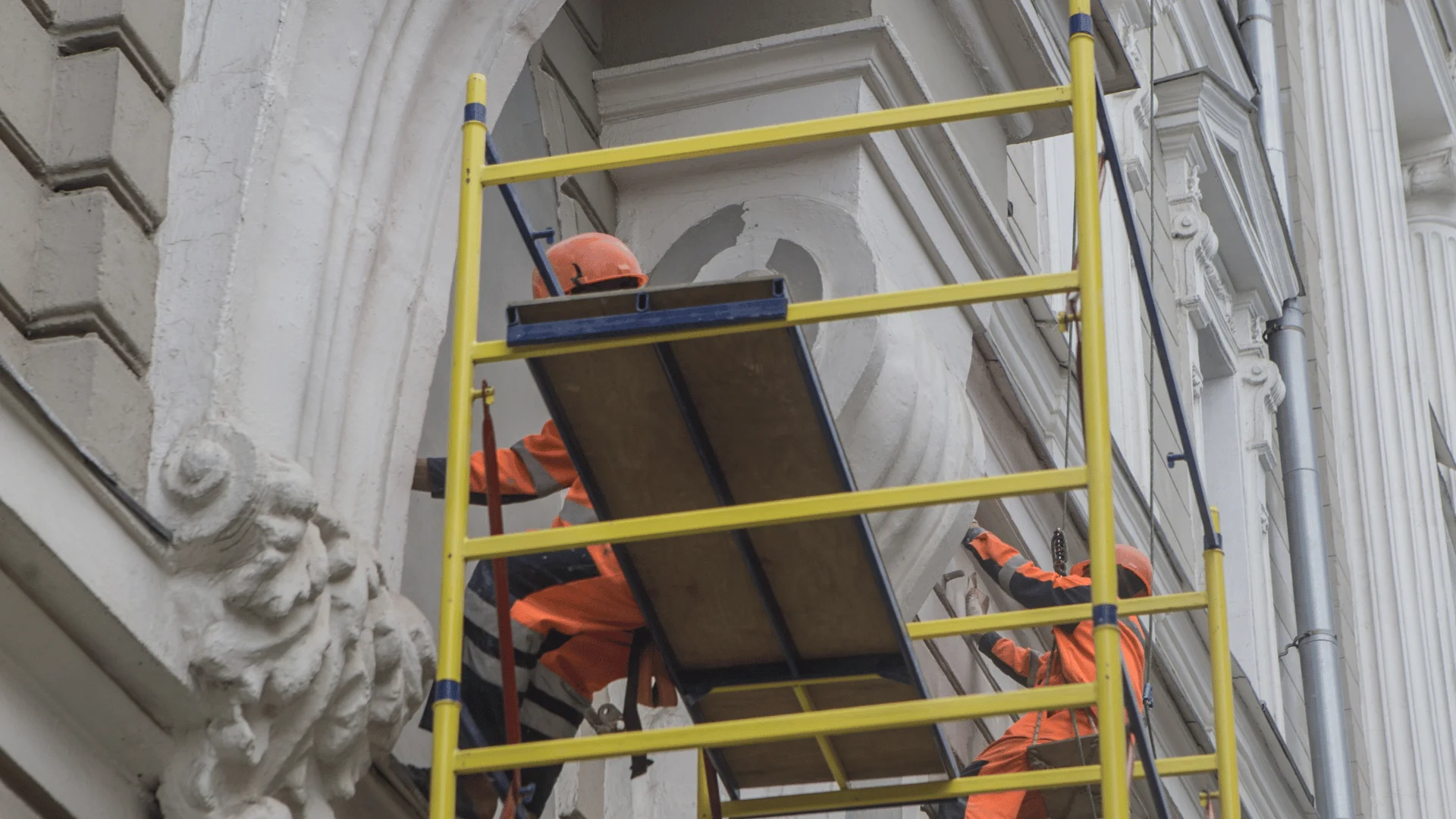
Commercial construction projects are typically larger and more complex than residential builds. They involve larger crews, heavier equipment, and more detailed coordination between multiple trades.
- Residential projects might include one home with a single floor plan.
- Commercial projects often involve multi-story buildings, complex mechanical systems, and advanced structural designs.
Because of this, commercial contractors like Sargent Contracting must have specialized training in project management, engineering coordination, and safety compliance. Our team works closely with architects, engineers, and local authorities to make sure every detail meets code and operational requirements.
-
Building Codes and Regulations
One of the most important differences is the level of regulation.
- Residential construction follows local housing codes that cover basic safety, structural integrity, and energy efficiency.
- Commercial construction, however, must comply with a broader range of regulations, including:
- ADA (Americans with Disabilities Act) accessibility requirements
- Fire suppression and alarm systems
- Emergency exits and safety signage
- Structural load and wind resistance standards
- Specialized HVAC and electrical systems
Commercial buildings must also pass more frequent inspections throughout the construction process.
At Sargent Contracting, our experience with code compliance and permitting ensures that every project meets all safety and legal requirements, protecting both the property owner and future occupants.
-
Materials and Equipment
Residential and commercial construction use different materials based on their purpose and scale.
- Residential builds often rely on wood framing, asphalt shingles, and standard residential-grade electrical and plumbing systems.
- Commercial projects typically use steel, concrete, and more durable materials designed to support heavier loads, withstand higher traffic, and provide long-term stability.
For example, the concrete slab in a commercial building must handle forklifts or heavy machinery—far beyond what’s required for a residential garage. As a full-service NWA commercial contractor, we manage these technical details from the ground up, ensuring the right materials and methods are used for each application.
-
Design and Customization
Residential projects are often more personalized, reflecting the owner’s taste in finishes, colors, and layouts. Homeowners might focus on comfort and style.
Commercial projects, on the other hand, are designed for function and flow. The design must consider how employees, customers, or equipment move through the space. A retail store layout, for example, needs to guide customers efficiently, while an office must promote collaboration and productivity.
At Sargent Contracting, we work closely with business owners to understand their operational needs, ensuring the finished space not only looks great but performs efficiently day after day.
-
Project Timelines
Commercial projects typically take longer to complete due to their size and complexity. They often require longer permitting processes, more inspections, and coordination among larger teams.
Residential projects might take a few months, while commercial projects can span from six months to several years depending on scope.
That said, at Sargent Contracting, we pride ourselves on maintaining strict project timelines. Our team uses proactive scheduling and consistent communication to keep your project on track without sacrificing quality.
-
Cost and Budgeting
Because of the larger scale, commercial construction projects usually have higher budgets. Costs depend on materials, site conditions, labor, and project complexity.
Residential contractors may focus more on design finishes and aesthetic elements, while commercial contractors emphasize structural performance and long-term value.
At Sargent Contracting, we provide transparent estimates, detailed budgets, and value-driven solutions to help clients make informed decisions without hidden costs or unnecessary delays.
-
Workforce and Expertise
The workforce for commercial construction is typically larger and more specialized.
Commercial contractors often work with a wide network of subcontractors, each focused on specific trades such as concrete, steel framing, electrical systems, or HVAC installation. Coordination between these professionals is critical to maintaining safety and efficiency.
Our team at Sargent Contracting is made up of seasoned professionals who understand the demands of commercial construction. We bring together the right expertise, equipment, and leadership to ensure each project meets our high standards.
-
Permitting and Inspection Process
Obtaining permits for commercial construction is often more complex and time-consuming. City planners, engineers, and inspectors review every aspect of the project, from site preparation to occupancy.
Residential projects typically go through fewer steps and inspections.
Sargent Contracting has extensive experience managing the entire permitting process in Benton and Washington Counties, allowing clients to focus on their business while we handle the details.
Conclusion
While residential and commercial construction share a common foundation in building, they differ greatly in purpose, complexity, regulations, and execution. Commercial construction demands precise coordination, advanced materials, and specialized expertise—qualities that define Sargent Contracting’s approach on every project.
Whether you’re planning a new office, industrial facility, or retail space, choosing an experienced NWA commercial contractor ensures your project is completed safely, efficiently, and to the highest standard.
Contact Sargent Contracting today to discuss your upcoming project and discover how we can bring your commercial vision to life.