Introduction
Ask anyone who has managed a construction project, and they’ll tell you—staying on schedule and within budget isn’t easy. Between unexpected delays, supply shortages, and design changes, costs can rise quickly, and timelines can stretch.
The good news is that with the right approach and an experienced commercial contractor, these challenges can be minimized or avoided altogether. At Sargent Contracting, we’ve built our reputation on delivering projects efficiently and transparently. In this blog, we’ll share proven strategies to help you keep your construction project moving forward—without breaking the bank.
-
Start with a Clear and Detailed Plan
The first and most important step in any successful project is thorough planning. A detailed project plan sets the tone for everything that follows.
A clear plan should include:
- A defined scope of work that outlines exactly what will be built.
- Accurate cost estimates for materials, labor, and equipment.
- A realistic timeline with built-in flexibility for unforeseen delays.
- Defined roles and responsibilities for every party involved.
At Sargent Contracting, we work with clients to develop a detailed project roadmap before construction begins. This reduces guesswork, aligns expectations, and provides a solid foundation for decision-making throughout the project.
-
Hire an Experienced Commercial Contractor
Your choice of contractor plays a major role in whether your project stays on time and within budget. A qualified commercial contractor brings expertise, resources, and proven systems for managing complex builds.
Look for a contractor who has:
- Experience with similar project types and sizes.
- A strong track record of on-time completion.
- Transparent communication and reporting processes.
- Reliable relationships with local subcontractors and suppliers.
As a trusted NWA commercial contractor, Sargent Contracting provides clients with a streamlined construction experience. We manage everything from pre-construction planning and scheduling to daily progress tracking and quality assurance.
-
Set Realistic Timelines
One of the most common reasons projects fall behind is overly optimistic scheduling. Setting a timeline that doesn’t account for real-world challenges—like weather delays, inspection schedules, or material shortages—can quickly derail a project.
A good contractor will build contingency time into the schedule to absorb minor setbacks without affecting the final delivery date.
At Sargent Contracting, we use proactive scheduling tools and weekly progress reviews to make sure every phase stays on track. When adjustments are needed, we communicate early to prevent surprises and keep your project moving forward.
-
Communicate Clearly and Consistently
Communication breakdowns are one of the fastest ways for a project to go off track. When owners, contractors, and subcontractors aren’t aligned, delays, errors, and added costs can follow.
To keep your project running smoothly:
- Hold regular project meetings.
- Request weekly progress reports.
- Document all decisions and changes.
- Maintain open communication between all stakeholders.
We believe that transparency builds trust. That’s why Sargent Contracting keeps clients informed at every stage, providing updates on timelines, budget status, and key milestones.
-
Manage Change Orders Carefully
Changes to the original plan—known as change orders—are one of the biggest sources of budget overruns. Some changes are unavoidable, such as design revisions or material substitutions, but how they’re handled makes all the difference.
To manage change orders effectively:
- Evaluate the cost and impact before approving changes.
- Put all changes in writing with updated pricing.
- Limit scope creep by sticking to the original plan when possible.
Our team at Sargent Contracting uses a structured change management process that ensures any modifications are approved, priced, and documented before work proceeds. This keeps costs transparent and the project aligned with your goals.
-
Track Progress and Budget in Real Time
It’s not enough to plan once and hope everything stays on track. Ongoing monitoring is key. Contractors should provide regular updates comparing actual progress and expenses to the original plan.
At Sargent Contracting, we use real-time tracking tools to monitor productivity, resource usage, and expenses. This allows us to identify potential problems early and take corrective action before small issues become major setbacks.
-
Plan for Supply Chain and Weather Delays
External factors like supply chain disruptions and weather can impact both timeline and cost. While you can’t control these variables, you can prepare for them.
To minimize the impact:
- Order materials early when possible.
- Work with local suppliers to reduce shipping time.
- Plan weather-dependent activities strategically.
- Keep a flexible schedule that allows for quick adjustments.
Because Sargent Contracting works closely with trusted local suppliers in Northwest Arkansas, we minimize downtime and material shortages that could otherwise cause delays.
-
Keep the Job Site Organized and Safe
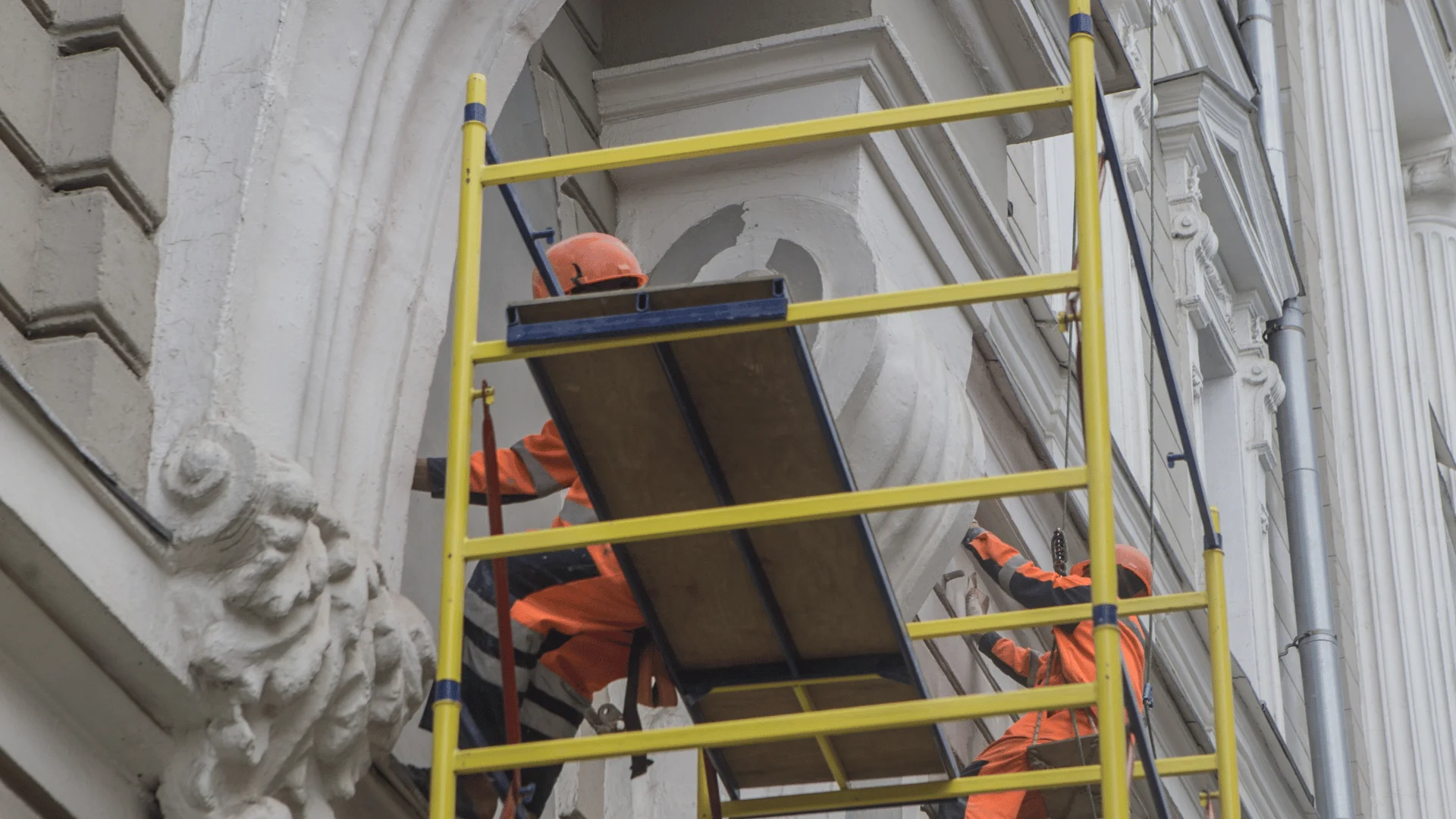
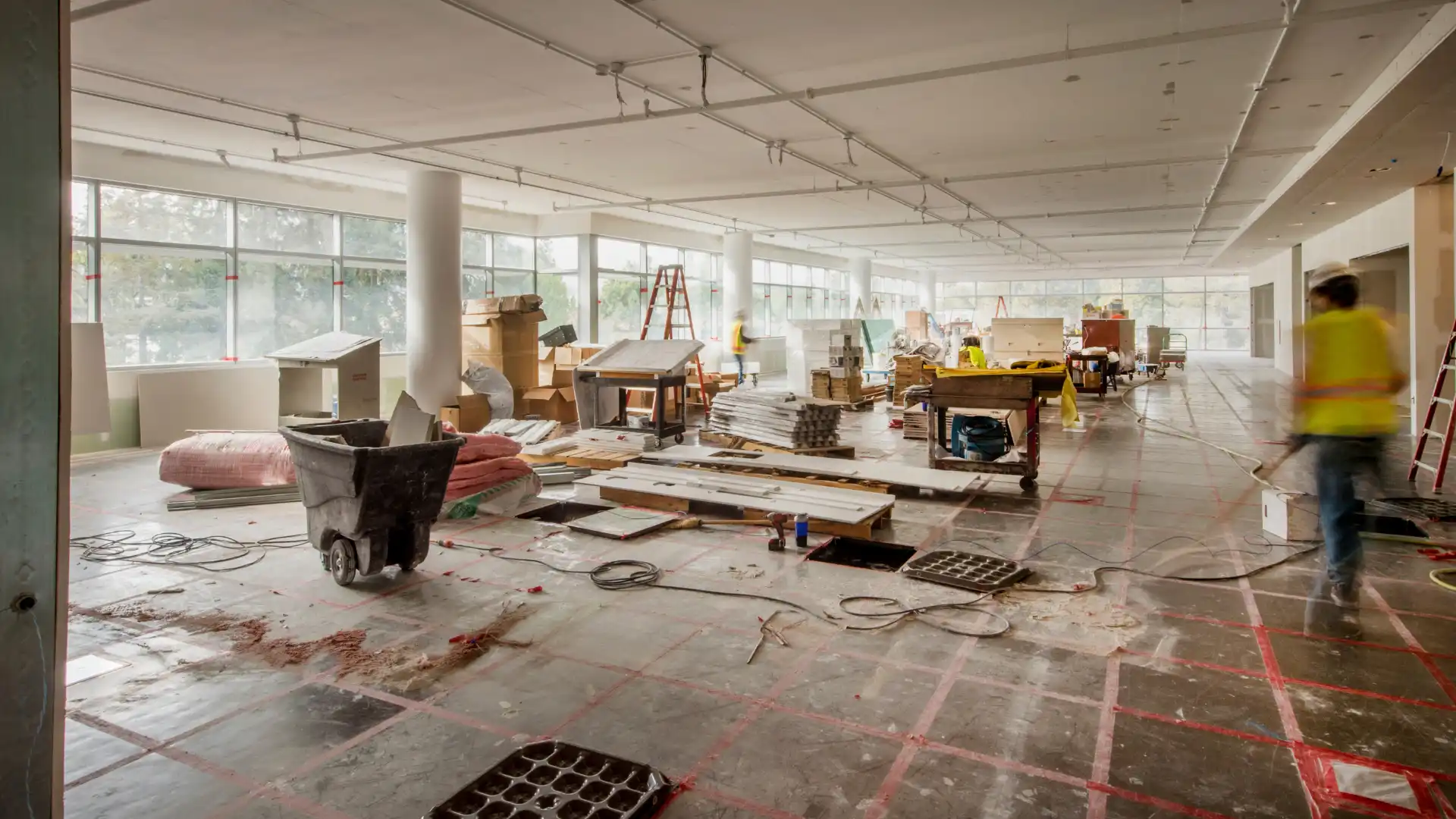
An organized job site is an efficient one. Clutter, confusion, or unsafe conditions slow down progress and increase costs due to rework or accidents.
We enforce strict job site management practices that include:
- Clean, organized work zones.
- Clear signage and designated storage areas.
- Daily safety checks and crew coordination.
This disciplined approach helps maintain productivity and protects both workers and clients from unnecessary risk.
-
Choose Quality Over Shortcuts
Cutting corners might save money upfront, but it often leads to bigger expenses down the road. Poor workmanship can result in structural issues, costly repairs, or failed inspections that push your project off schedule.
At Sargent Contracting, we focus on long-term value. Our experienced crews and subcontractors follow best practices and use quality materials to ensure durability and performance for years to come.
-
Build a Partnership, Not Just a Contract
The best projects succeed because of teamwork. When clients and contractors work together with mutual respect and trust, challenges are solved faster, and decisions are made more effectively.
At Sargent Contracting, we view every project as a partnership. We listen to our clients’ goals, anticipate their needs, and deliver results that meet both their timeline and budget—without compromising on quality or safety.
Conclusion
Keeping a construction project on schedule and within budget takes more than luck—it takes planning, communication, and the right contractor. By setting realistic expectations, tracking progress closely, and partnering with an experienced general contractor, you can avoid unnecessary delays and costly surprises.
At Sargent Contracting, we bring decades of experience, local knowledge, and a commitment to excellence to every project we take on. Our proactive approach to planning and project management ensures your build runs smoothly from start to finish.
If you’re planning a commercial construction project in Northwest Arkansas, contact Sargent Contracting today. Let’s build something that meets your goals, your budget, and your timeline.